Best Beach Hotels for Solo Travelers Seeking Solitude

Recent Trends in Solo Beach Travel
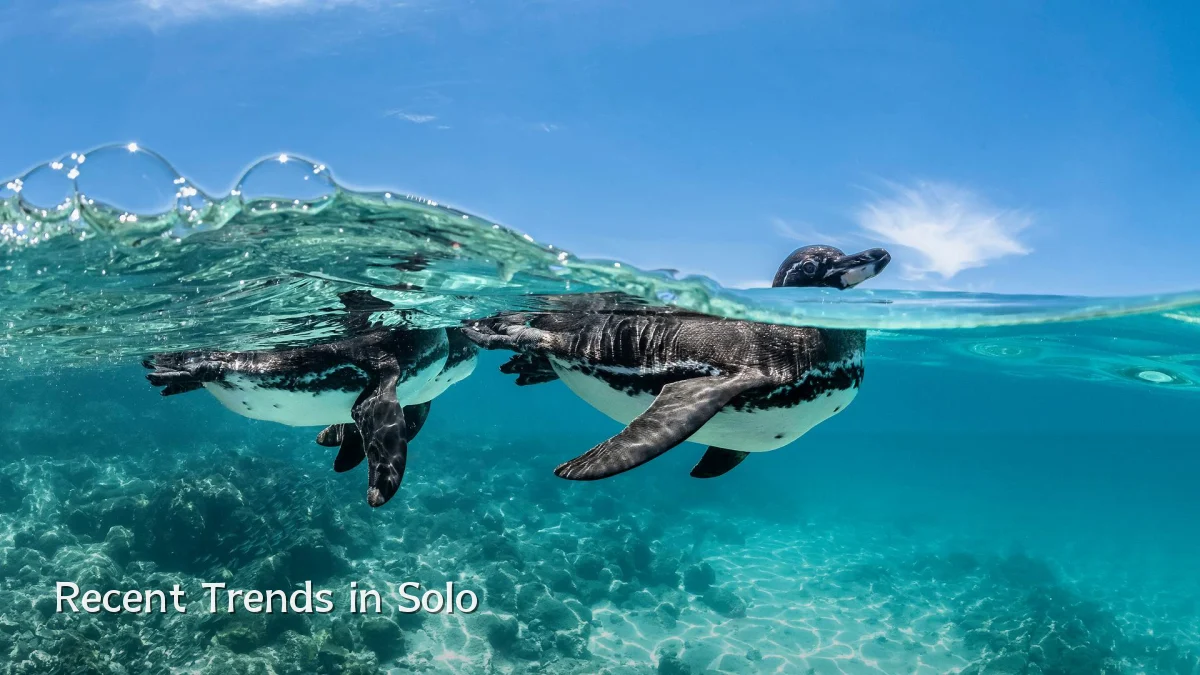
In the past few travel seasons, solo travel has grown significantly, with beach destinations seeing a marked increase in single-bookings. Travelers increasingly prioritize privacy, unstructured time, and low-interaction stays. Hotels have responded by offering dedicated solo-friendly amenities—such as adult-only wings, private cabanas, and single-occupancy rates without a supplement—while still maintaining a serene coastal atmosphere.
- Rise of "digital detox" packages at beachfront properties with limited Wi-Fi zones.
- Growth in boutique hotels offering soundproofed solo suites with ocean views.
- Increased demand for properties with direct beach access and minimal shared facilities.
Background: Why Solitude Matters
The concept of a solitary beach retreat is not new, but modern solo travelers seek intentional isolation rather than just traveling alone. Many coastal hotels have historically catered to couples or families, leaving solo guests feeling overlooked. Over the last decade, operators began redesigning spaces to include quiet reading nooks, single-seat dining options, and self-contained bungalows that allow guests to stay on property without engaging with large communal areas.
- Shift from all-inclusive resorts to smaller, owner-managed guesthouses along quieter coastlines.
- Adoption of "no-contact" check-in and room service for privacy-conscious guests.
- Expansion of off-season solo rates to maintain serenity year-round.
User Concerns When Choosing a Beach Hotel for Solitude
Solo travelers evaluating beach hotels often weigh factors that differ from group travelers. Common anxieties include feeling unsafe, being charged unfairly as a single occupant, and the risk of crowding during peak periods. The ideal property balances seclusion with essential safety measures—well-lit pathways, staff proximity, and clear emergency protocols—without disrupting the peaceful atmosphere.
- Pricing fairness: Many hotels impose single supplements of 30–50% over the per-person rate; solo-focused properties often waive or reduce these fees.
- Location privacy: Hotels set away from main tourist strips, with natural barriers (dunes, vegetation) or limited room counts.
- Amenity access: Solo travelers need spaces like private balconies, quiet pools, and library lounges where they can relax without forced socializing.
- Staff discretion: Minimal interaction during the stay, with optional concierge services available when desired.
Likely Impact on Hotel Design and Booking Trends
As solo beach seekers become a more vocal demographic, hospitality industry analysts expect a continued move toward micro-resorts and fractional ownership models that guarantee low occupancy. Hotels that previously relied on group bookings are repurposing shared areas into individual retreat pods. The trend may also push larger chains to create dedicated "solitude floors" or bookable quiet-hour slots for spa and dining facilities.
- More properties offering "solo-only" floor plans with single beds, private entrance, and compact kitchenettes.
- Growth in remote beachfront coworking spaces for those combining work and solitude.
- Increased use of booking filters that let solo travelers hide hotels that do not waive single supplements.
What to Watch Next
Industry observers are monitoring how regulatory changes—such as local occupancy taxes on single-room bookings—may affect pricing. Also noteworthy is the rise of peer-to-peer beach stays (small cottages, houseboats) that offer extreme isolation, potentially drawing demand away from traditional hotels. Finally, the emergence of "solo retreat packages" that include guided meditation or nature walks without group sessions could redefine what solitude means in a beach setting.
- Local governments in coastal regions may adjust short-term rental laws to protect hotel occupancy, affecting supply.
- Hotel loyalty programs may introduce solo-specific benefits, such as priority room placement for quiet zones.
- Climate adaptation measures (elevated structures, dune restoration) could shift the location of new solitude-focused hotels.